Product Description
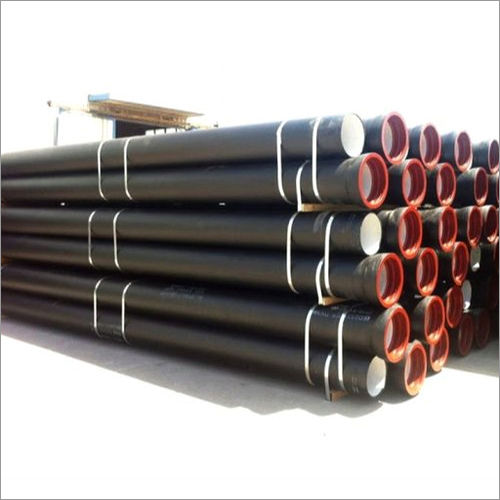
We provide Duc le Iron pipes with Spigot and Socketed ends, conforming to IS:8329/2000. These are used extensively in systems transportation ng Potable Water, Industrial Water, Irrigation on Water and Pressure Sewage. Duc le Iron Pipes are ideal for its usage in water supply and related projects because of it mechanical proper es. They are highly durable and their tensile strength make it the best op on for high pressure application on.
Engineered Durability and StrengthDuctile iron construction, with a tensile strength of 420 MPa and yield strength of 300 MPa, ensures outstanding impact resistance and mechanical performance. The combined cement mortar lining and robust external coating grant high corrosion resistance, safeguarding the pipe against aggressive environments, particularly for underground installations.
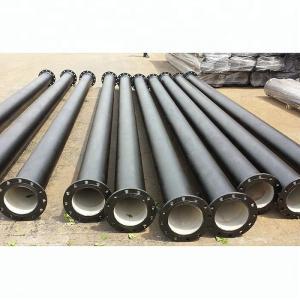
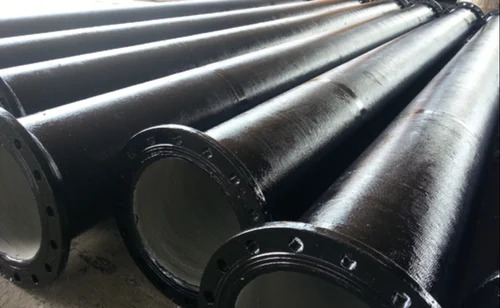
Versatile Application and Joint FlexibilitySuitable for potable water, wastewater, sewerage, and firefighting networks, the 100mm DI pipe supports several connection and installation methods-trench laying, overground routing, restrained or unrestrained joints-catering to both new projects and retrofits. The push-on joint system enables swift, reliable assembly and permits angular deflection for versatile network design.
Reliable Quality and CustomizationManufactured to IS 8329, ISO 2531, and EN 545 standards, each pipe features precise laser or painted markings for traceability. Lengths of 5.5 m or 6 m and packing options (loose or bundled) address varied project needs, and strict dimensional tolerances are maintained as per class. Protective end caps ensure safe handling through delivery.
FAQ's of DI Pipe 100mm Dia:
Q: How is the DI Pipe 100mm installed, and what installation methods can be used?
A: The DI Pipe 100mm can be installed using trench or overground methods. It accommodates both restrained and unrestrained joint systems. Thanks to its push-on (Tyton) joint design, assembly is swift and does not require threading, simplifying the installation process in varied applications.
Q: What advantages does the cement mortar lining provide for water and wastewater systems?
A: The cement mortar lining, applied to ISO 4179 standard, offers excellent internal corrosion resistance, enhancing the pipe's suitability for potable water, wastewater, and sewage applications. It maintains water quality and extends the service life of the pipe by shielding the ductile iron from aggressive fluids.
Q: Where can this ductile iron pipe be used, and what applications are best suited for it?
A: This DI pipe is ideal for potable water distribution, sewage, irrigation, and firefighting networks. Its robust protection systems and high impact resistance make it especially effective in underground installations and municipal infrastructure requiring long-term durability and reliability.
Q: What standards regulate the quality and manufacturing of this pipe?
A: The 100mm DI pipe is manufactured in compliance with IS 8329, ISO 2531, and EN 545 standards. These regulations ensure strict adherence to material quality, dimensional tolerance, coating application, and hydraulic performance, guaranteeing safe operation within specified pressure and temperature ranges.
Q: What is the process for handling and transporting the DI pipes to ensure safety and quality?
A: Each pipe is equipped with protective plastic end caps to prevent contamination and edge damage during transport. Packing is customized to project requirements-pipes can be supplied loose, in bundles, or as specified. Markings, batch codes, and product parameters ensure traceability and quality control upon delivery.
Q: Which fittings are compatible with this DI pipe, and how are sealed joints achieved?
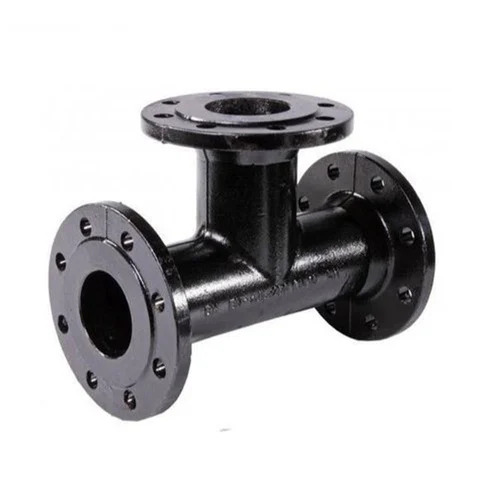
A: Compatible accessories include ductile iron fittings, flanged adaptors, and couplings. Joints are typically sealed using a rubber gasket (EPDM or NBR), providing a watertight connection with moderate angular deflection (up to 5 per joint) for network flexibility and easy maintenance.

 08045803346

 Send Inquiry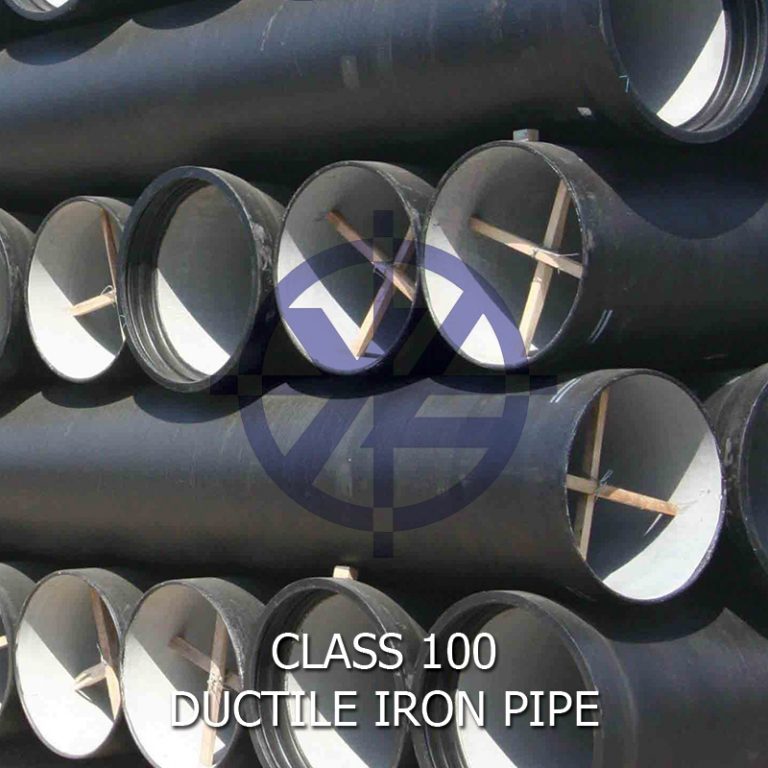




 Send Inquiry
 Send SMS
